Examining how Scandinavian weather shifts alter deposit threshold triggers for layered rewards in Sweden's licensed wagering platforms
Finley Meier · Nov 4, 2026
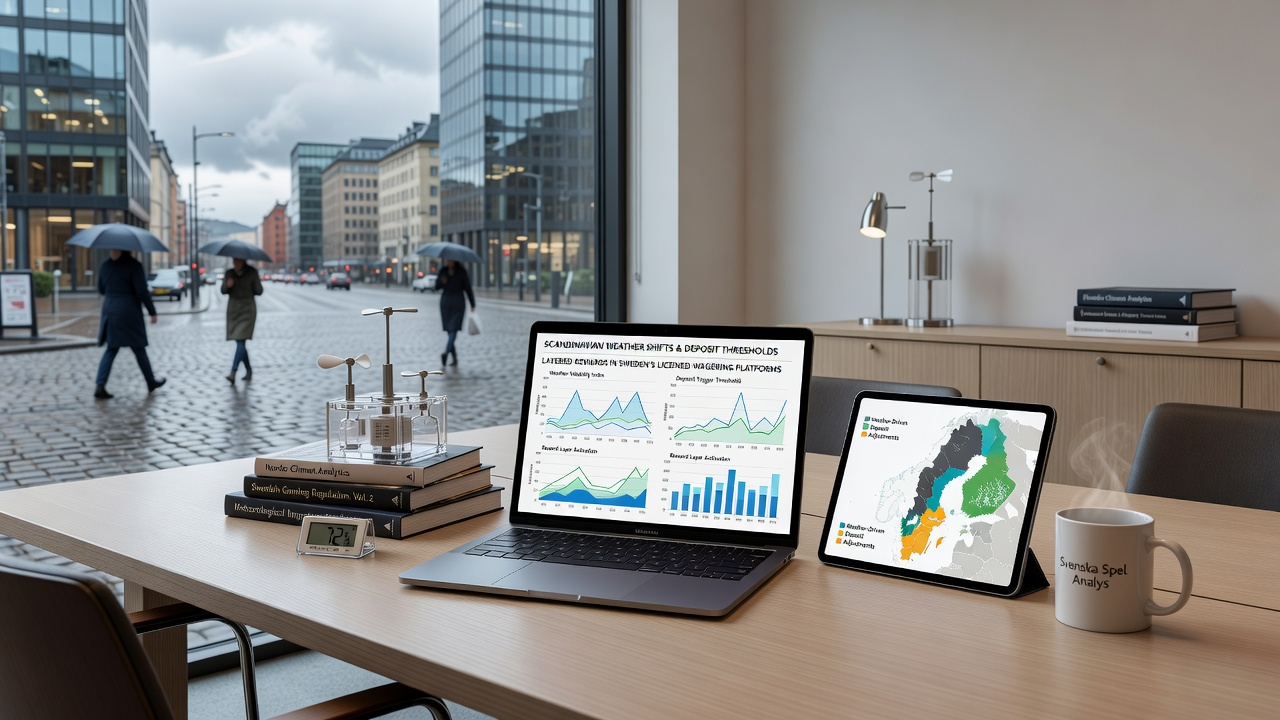
Examining how Scandinavian weather shifts alter deposit threshold triggers for layered rewards in Sweden's licensed wagering platforms
Scandinavian weather patterns bring distinct seasonal pressures that influence player behavior on Sweden's licensed wagering platforms, and those changes in turn affect how operators set deposit thresholds for tiered rewards. Winter months often see extended periods of snow, ice, and limited daylight across the region, which correlates with shifts in sports schedules and reduced participation in outdoor events. Platforms respond by recalibrating the minimum deposit amounts required to unlock progressive bonus layers, because overall transaction volumes fluctuate when fewer live matches occur and bettors adjust their routines.
Weather patterns and activity levels on licensed sites
Data from the Swedish Gambling Authority shows that deposit volumes drop during prolonged cold snaps, particularly when temperatures stay below freezing for consecutive weeks. Operators track these trends through internal analytics, then raise or lower the entry points for layered rewards to maintain regulatory compliance while sustaining engagement. For instance, a sudden thaw in early spring can trigger an uptick in football betting once pitches become playable again, prompting platforms to ease deposit requirements so that players qualify for mid-tier incentives more readily.
November 2026 is projected to follow typical late-autumn patterns with increased rainfall and wind across southern Sweden, conditions that historically reduce attendance at outdoor venues and shift focus toward indoor or digital alternatives. Licensed operators monitor forecasts from the Swedish Meteorological and Hydrological Institute to anticipate these movements and adjust threshold settings accordingly, ensuring that reward structures remain aligned with actual player spend patterns rather than outdated seasonal averages.
Regulatory framework guiding threshold adjustments
Swedish gambling legislation requires all licensed platforms to maintain transparent criteria for bonus eligibility, which includes clear deposit triggers for each reward tier. When weather-driven changes alter betting volumes, operators must document how they modify those thresholds to avoid any appearance of arbitrary rule changes. Compliance reports submitted to the authority detail the data sources used for adjustments, such as weekly transaction logs and regional sports calendars, so that regulators can verify consistency across the market.
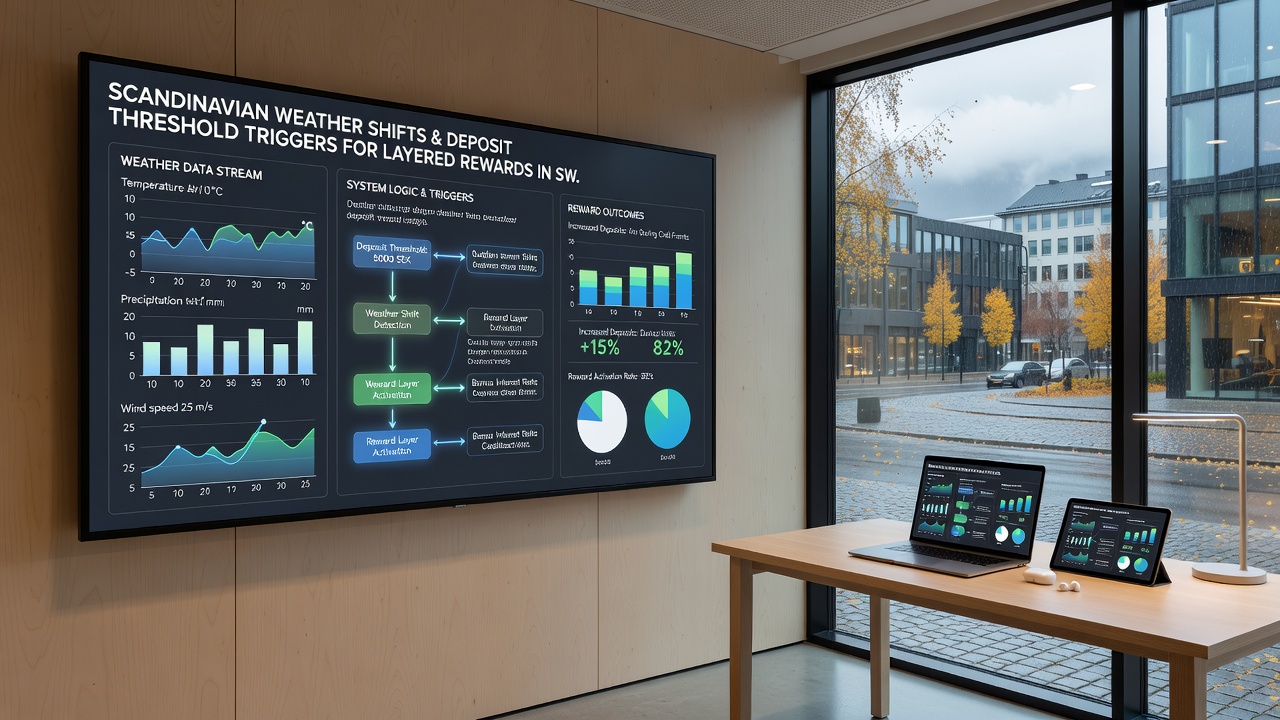
One documented case from the 2024-2025 winter season illustrated how an extended period of heavy snowfall led several operators to increase the base deposit needed for the second reward layer by 15 percent. The move reflected lower average deposits during that period and helped keep the overall reward distribution within expected parameters set by the licensing conditions. Similar recalibrations occurred in northern counties where weather disruptions lasted longest, while southern platforms maintained steadier thresholds because milder conditions preserved more regular sports programming.
Impact on player segmentation and reward access
Player segmentation tools used by licensed operators incorporate weather-related variables alongside standard demographic and behavioral metrics. When forecasts indicate extended indoor periods, segmentation models predict higher engagement with casino-style games and lower activity in sports betting, which then feeds into decisions about deposit thresholds for cross-category rewards. Platforms that integrate these forecasts report smoother transitions between reward tiers, because they avoid setting deposit levels that become unreachable during low-activity stretches.
Research published by the Nordic Institute for Studies in Innovation, Research and Education examined transaction data across multiple seasons and found measurable links between precipitation levels and deposit frequency on regulated sites. The study tracked how operators in Sweden and neighboring markets responded with threshold tweaks that preserved the integrity of layered reward systems even as external conditions changed. Findings indicated that proactive adjustments based on meteorological data reduced instances of players missing out on higher tiers simply because of temporary weather effects.
Operational responses across the sector
Licensed wagering platforms maintain cross-functional teams that combine compliance, data science, and marketing expertise to handle seasonal variations. These teams review weather outlooks alongside historical deposit records before finalizing threshold settings for upcoming periods. Communication with players about any threshold changes occurs through standard channels such as account notifications, ensuring transparency remains intact regardless of external influences.
Industry reports from the European Gaming and Betting Association highlight that operators in regulated Nordic markets increasingly rely on predictive modeling that factors in climate variability. Such models help platforms anticipate when deposit thresholds might need temporary recalibration to keep layered rewards accessible, particularly during transitions between autumn and winter when weather volatility peaks. The approach supports consistent player retention while meeting statutory obligations around fair bonus distribution.
Conclusion
Weather shifts across Scandinavia continue to influence deposit patterns on Sweden's licensed wagering platforms, prompting measured adjustments to the thresholds that unlock layered rewards. Regulatory oversight ensures these modifications stay documented and data-driven, while operational teams integrate meteorological information into routine planning. As seasonal patterns evolve, the mechanisms for maintaining equitable access to tiered incentives remain tied to observable transaction trends and compliance standards.