Tracing Intersections Between Tournament Calendars and Reward Distribution Patterns in Sweden's Regulated Wagering Sector
Parker Keller · Oct 21, 2026
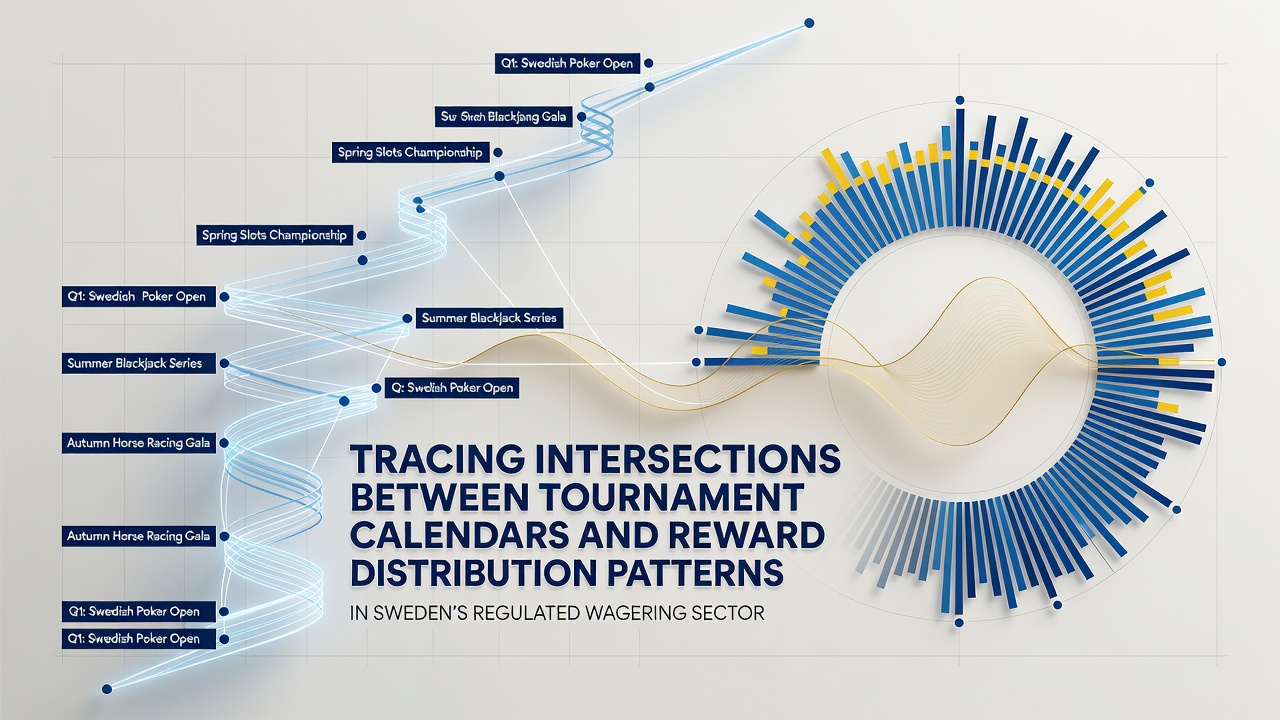
Tracing Intersections Between Tournament Calendars and Reward Distribution Patterns in Sweden's Regulated Wagering Sector
Sweden's regulated wagering sector operates under strict oversight from the Swedish Gambling Authority, which enforces licensing requirements that shape how operators align promotional activities with major sports events throughout the calendar year, and these alignments produce measurable patterns in reward distribution that researchers continue to examine closely.
Mapping Tournament Calendars in Key Sports
Football seasons dominate the Swedish betting landscape from August through May each year, while tennis Grand Slam events create concentrated spikes in activity during specific weeks, and observers note that operators adjust their reward calendars to coincide with these peaks because participation volumes rise sharply when high-profile matches fill the schedule; data from multiple seasons shows reward redemptions increasing by notable margins during the UEFA Champions League group stages and the ATP Finals period.
Reward Distribution Mechanisms Under Regulation
Licensed operators must follow Spelinspektionen guidelines that require clear terms for all promotional offers, which means reward structures often feature tiered eligibility tied to deposit volumes or activity thresholds during tournament windows, and studies from academic institutions have documented how these tiers distribute free bets and deposit matches more densely around major fixtures than during off-peak periods.
According to records maintained by the authority, operators submit detailed reports on promotional activity that reveal consistent clustering around international tournaments, yet the same reports demonstrate lower density during domestic league breaks because wagering volumes drop and regulatory caps on marketing spend limit aggressive distribution outside peak windows.
Intersections and Observed Patterns
When major tournaments overlap with regulatory reporting cycles, operators tend to front-load reward campaigns in the weeks leading into the events, which creates a measurable surge in account activations followed by sustained engagement through the competition duration, and figures released by industry monitoring bodies indicate that October periods in particular show distinct upticks tied to autumn football schedules and early indoor tennis events.
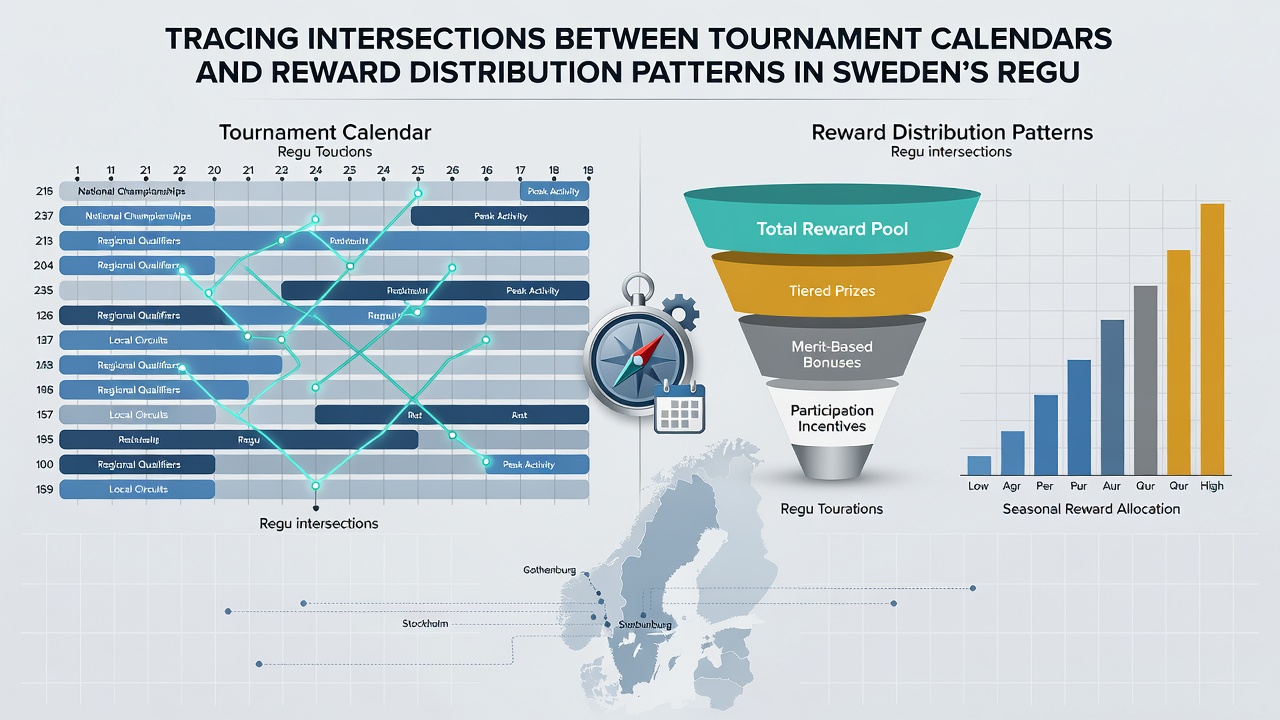
One analysis covering multiple licensed platforms found that reward redemption rates climb steadily from early September onward as the football calendar intensifies, whereas isolated weeks without overlapping major events show flatter distribution curves because operators conserve promotional budgets for upcoming high-attention periods; researchers at European gambling studies centers have confirmed these seasonal rhythms through longitudinal tracking of licensed activity.
Regulatory Influence on Calendar Alignment
Swedish statutes require operators to maintain responsible gambling measures that include spending limits and self-exclusion tools, and these requirements intersect with tournament timing because operators must ensure reward promotions do not encourage excessive play during high-visibility events, which leads many platforms to space out bonus releases across the calendar rather than concentrating them in single tournament weeks.
Data collected through mandatory reporting channels shows that operators who coordinate reward drops with the start of new tournament phases achieve higher compliance scores, while misaligned campaigns sometimes trigger additional scrutiny from the authority; reports from the Swedish government and parallel reviews conducted by international research networks highlight how these compliance patterns affect overall reward volume and timing.
Looking Ahead to October 2026
Upcoming tournament schedules projected for October 2026 include overlapping football qualifiers and tennis ATP events that are expected to generate fresh datasets on reward distribution, and analysts anticipate that updated regulatory filings will clarify whether operators continue the established pattern of pre-event reward surges or adopt more distributed models following recent statutory adjustments.
Conclusion
The documented intersections between tournament calendars and reward distribution in Sweden's regulated sector demonstrate how licensing frameworks guide operators toward predictable alignment strategies that balance commercial objectives with statutory obligations, and continued monitoring through 2026 will supply additional evidence on how these patterns evolve under sustained regulatory oversight. Spelinspektionen reports and studies from international research networks provide ongoing reference points for tracking these developments across licensed markets.